

Enhancing Patient Safety Across the Surgical Continuum
Perioperative care encompasses the period before, during, and after surgery and is a collaborative, patient-centered process. CRNAs play an essential role in this continuum, contributing to patient safety, comfort, and positive outcomes throughout the surgical journey.
As highly trained anesthesia professionals, CRNAs bring an extensive background, advanced expertise, and unique positioning within the perioperative environment. They are well-prepared to lead, facilitate, and encourage the adoption of best practices across all phases of perioperative care.
Through CRNA continuing education requirements, like CRNA pharmacology reviews and perioperative CEUs, CRNAs enhance their ability to implement evidence-based techniques and collaborate effectively within the perioperative environment. Accessing our perioperative articles through the CRNA login portal allows you to stay prepared for evolving clinical challenges and CRNA continuing education requirements.
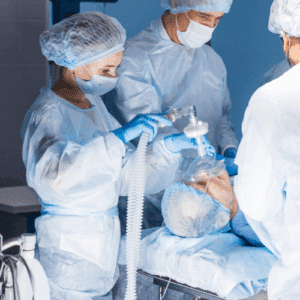
Preoperative Assessment and Planning
CRNAs conduct comprehensive preoperative evaluations to assess each patient’s medical history, current physical condition, and potential anesthesia-related risks. These assessments inform the development of individualized anesthesia care plans designed to promote optimal safety and comfort.
Continued learning through anesthesia articles helps CRNAs refine preoperative assessment skills while earning AANA Class A credits. These anesthesia continuing education opportunities ensure patient evaluations remain thorough, accurate, and compliant with NBCRNA CPC standards.
Anesthesia Delivery
During surgery, CRNAs deliver a full spectrum of anesthesia care, including general, regional, and local anesthesia, ensuring patients remain comfortable, pain-free, and physiologically stable throughout the procedure.
Intraoperative Monitoring and Management
CRNAs continuously monitor and manage vital signs, anesthesia depth, and any potential intraoperative complications. They remain vigilant and responsive, making real-time adjustments to ensure safe surgical outcomes.
Postoperative Care and Recovery
CRNAs provide support as the patient emerges from anesthesia and recovers. This includes pain management, airway management, and post-anesthesia education to help patients navigate their recovery safely and comfortably.
Collaboration and Communication
CRNAs collaborate closely with surgeons, nurses, and other healthcare professionals to provide coordinated perioperative care. Strong interdisciplinary communication ensures that patient needs are met throughout every stage of the surgical experience.
Advanced Pain Management
Pain management is a core area of CRNA expertise. From preoperative preparation to postoperative recovery, CRNAs apply evidence-based techniques to alleviate pain and support patient well-being.
Critical Care and Emergency Support
In both routine and emergency settings, CRNAs are equipped to deliver advanced critical care services, including airway management, cardiovascular support, and resuscitation when needed.
Key Areas of CRNA Expertise in Perioperative Care
- Clinical Expertise: CRNAs are highly skilled in administering anesthesia and monitoring vital functions in real time. This ensures patient safety during complex procedures.
- Patient Assessment: Through comprehensive preoperative assessments, CRNAs identify risks and tailor anesthesia plans to meet each patient’s individual needs.
- Pain Management: CRNAs utilize a broad range of pain management strategies to improve patient comfort and enhance recovery outcomes.
Log in to CRNAeducation.com
CRNAeducation.com offers CRNA continuing education online to help you expand your knowledge and stay current with evolving perioperative best care practices. Our articles are designed by CRNAs, for CRNAs. We provide clinically relevant content you can apply immediately in your practice.
Explore our perioperative care modules and continue advancing patient safety and outcomes.